Since 1959

The Farm

Family history, regenerative grazing, and how Brightleigh works today.

A family farm since 1959

Penny’s family has farmed at Brightleigh since 1959, when her father Jim Brunton bought the 52-hectare farm and started with eight Ayrshire cows. After the dairy herd was sold in 1999, the family rebuilt around pasture-fed beef, then added pigs, poultry and a Saturday farm shop.

Today Brightleigh raises a Pasture for Life-certified suckler herd, Tamworth and Mangalitsa-cross pigs, slow-grown chickens and laying hens — sold direct from the shop and at local farmers’ markets. The yard also hosts small local businesses, including a pottery studio and distillery.

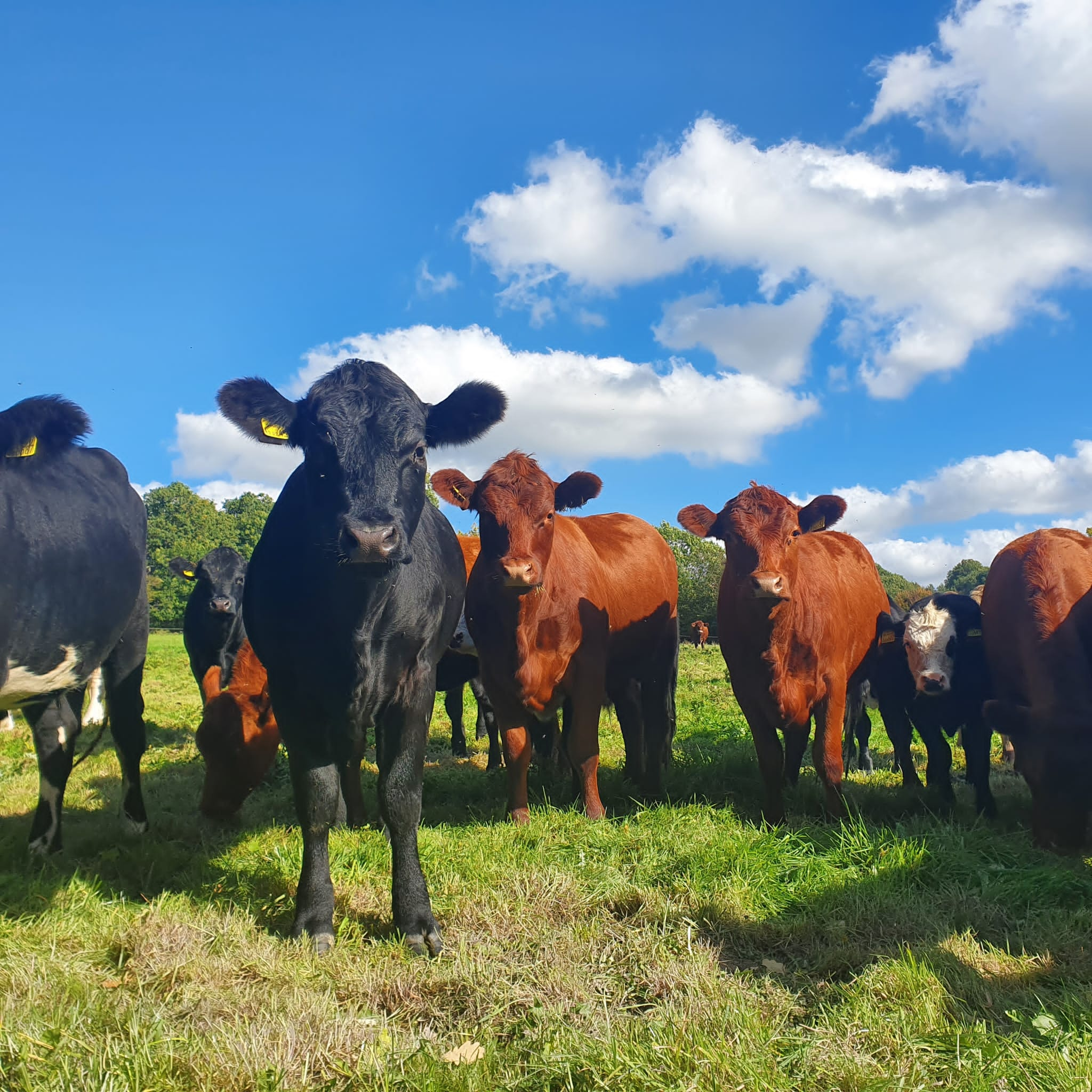
Cattle at Brightleigh Farm

Our Cattle

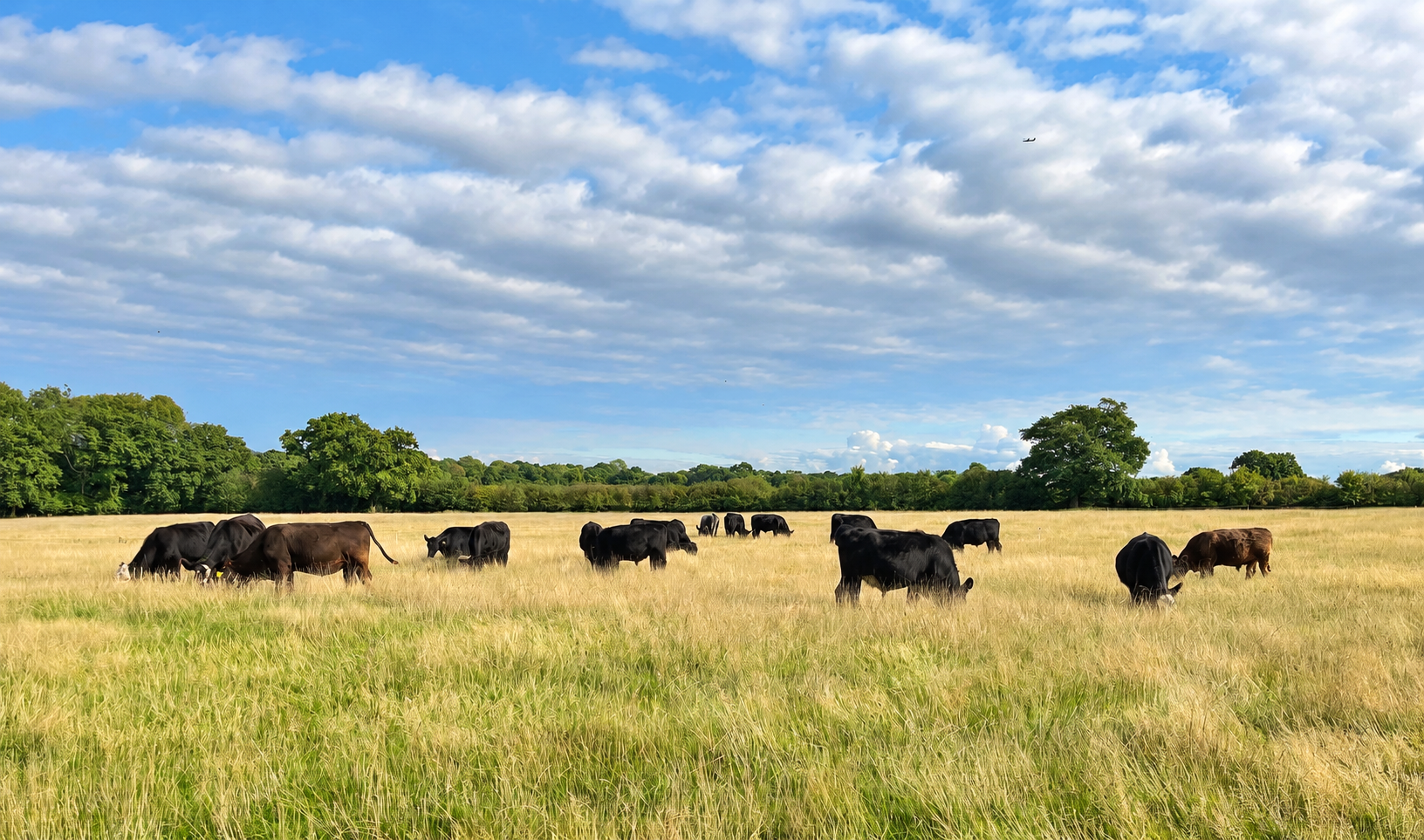
Our herd of cattle is mainly Aberdeen Angus with a few Sussex and Herefords, all native breeds, selected for their ability to do well on a simple forage-based diet. They are 100% pasture-fed, Pasture For Life certified. This is the natural diet for cattle. It is unnatural to feed them grain – indeed, grain feeding changes the nutrient-density of the meat. For every day that they are fed a grain-rich diet, they lose their valuable store of Omega 3 fatty acids. For more information on this, please visit Pasture-based Farm Management Practices | Grazing Livestock

Feeding them this way takes longer for them to mature but results in a healthier animal with a depth of flavour not found in grain-fed animals. The cattle don't just eat grass, but browse on hedgerow plants and trees which are rich in minerals & micronutrients. They self-select, instinctively knowing what they need. The herd stay out in the fields until it becomes too wet and muddy, when they come into the barn where they are fed conserved grass as hay or silage.

We farm using regenerative farming methods and holistic land management, focussing on keeping the soil and farm ecosystem healthy naturally. No artificial sprays or fertilisers are used on the land, only manure and animal impact. The animals are rotated around the farm ensuring an even spread of manure and long rest periods for the pastures. The herd only return to a previously grazed area after a minimum of 60 days. This ensures the pasture plants have time to grow, sequestering carbon into the soil through photosynthesis, which in turn feeds the soil biology, a natural cycle that keeps on giving.

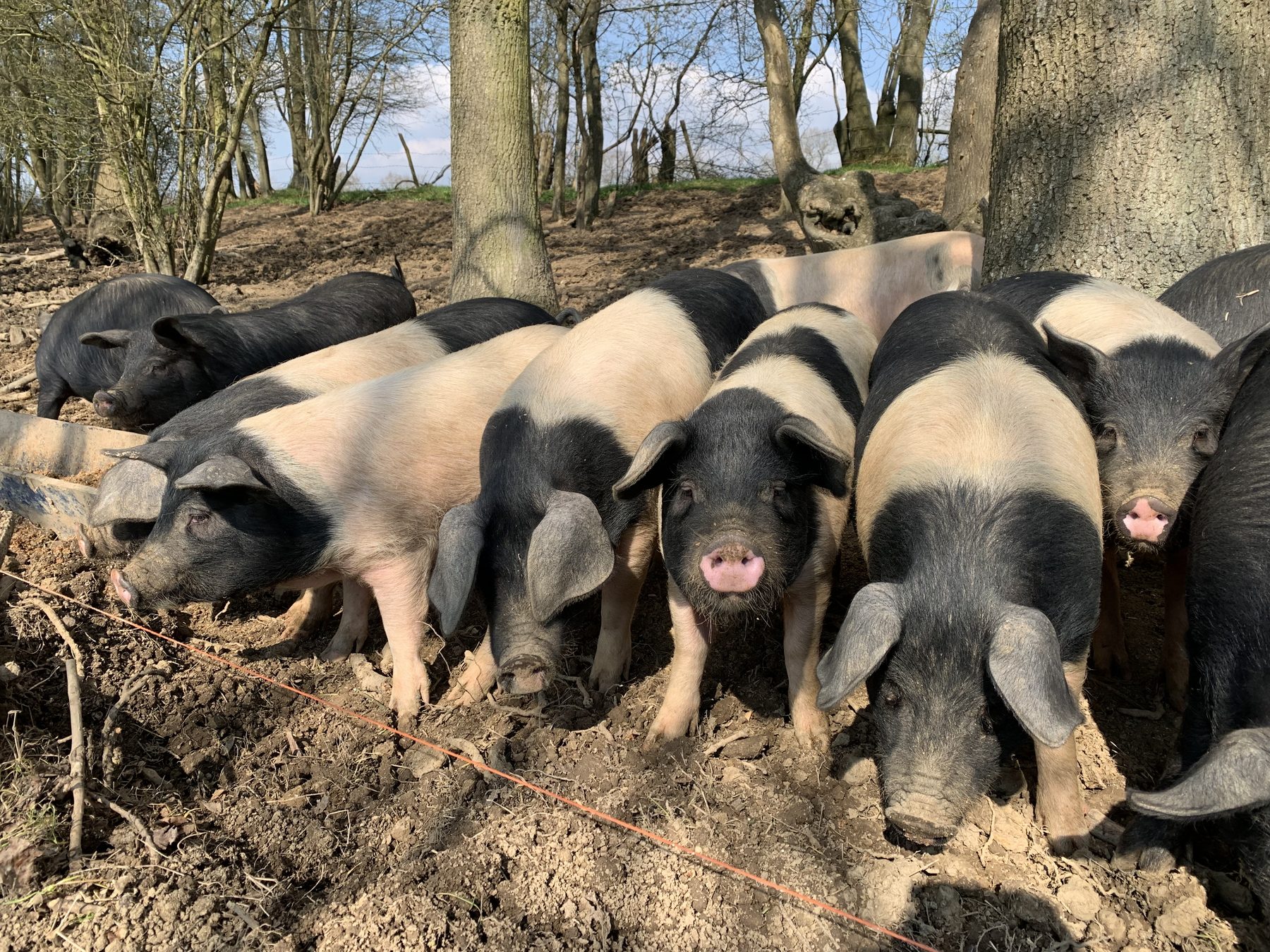
Pigs at Brightleigh Farm

Our Pigs

We rear British Saddleback pigs, a rare breed – reared outdoors most of the year, only coming in when it’s too wet or they escape! They forage around the woodlands in large enclosures where they find a lot of their own food, although we also supplement with a UK-produced, soy-free diet plus windfall apples and vegetables donated by the locals. Pigs are intelligent creatures and it’s very important that they have every opportunity to express their natural behaviour, like rooting in the soil and wallowing in mud, especially when it’s hot.

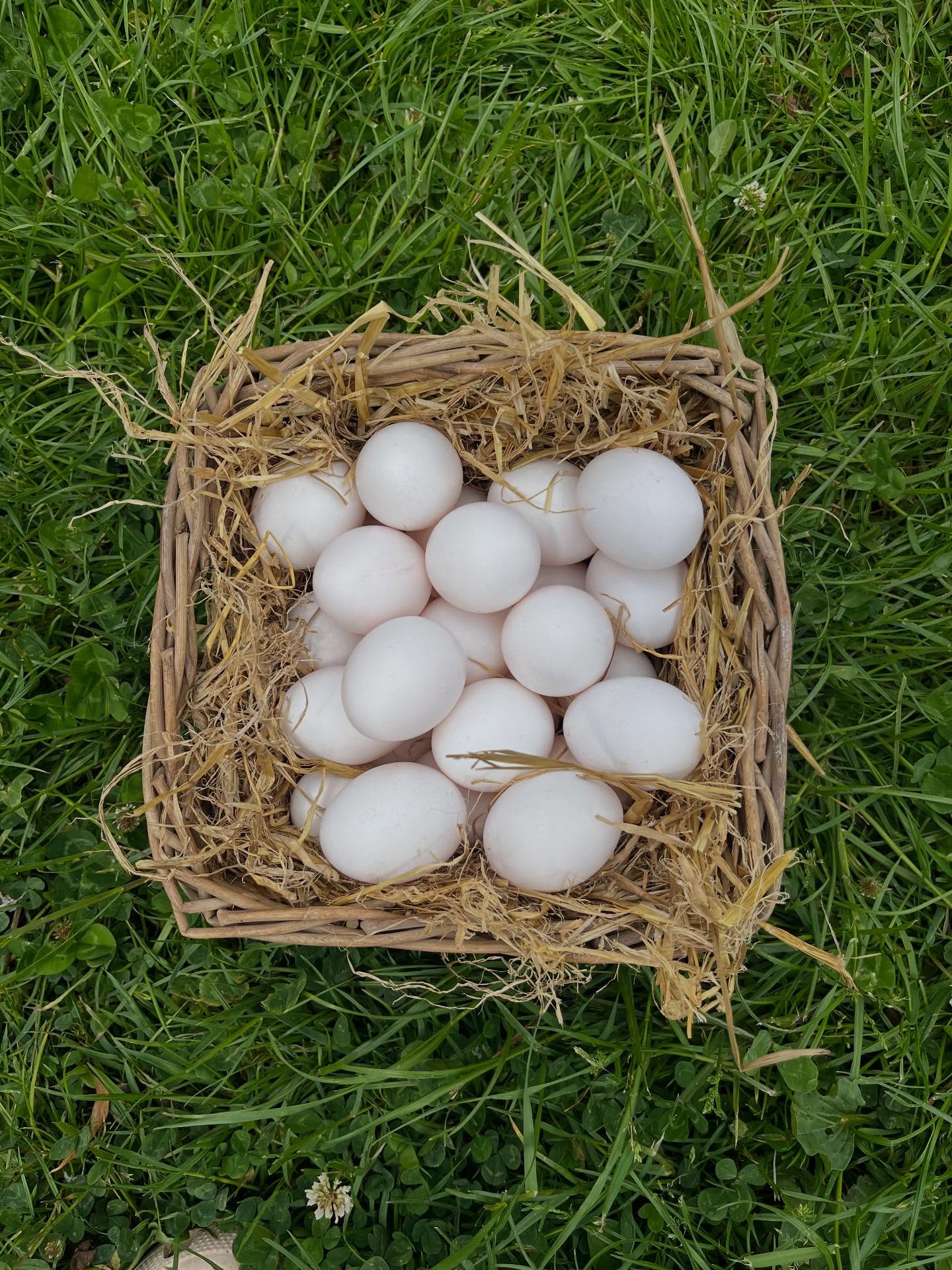
A basket of eggs at Brightleigh Farm

Our Eggs

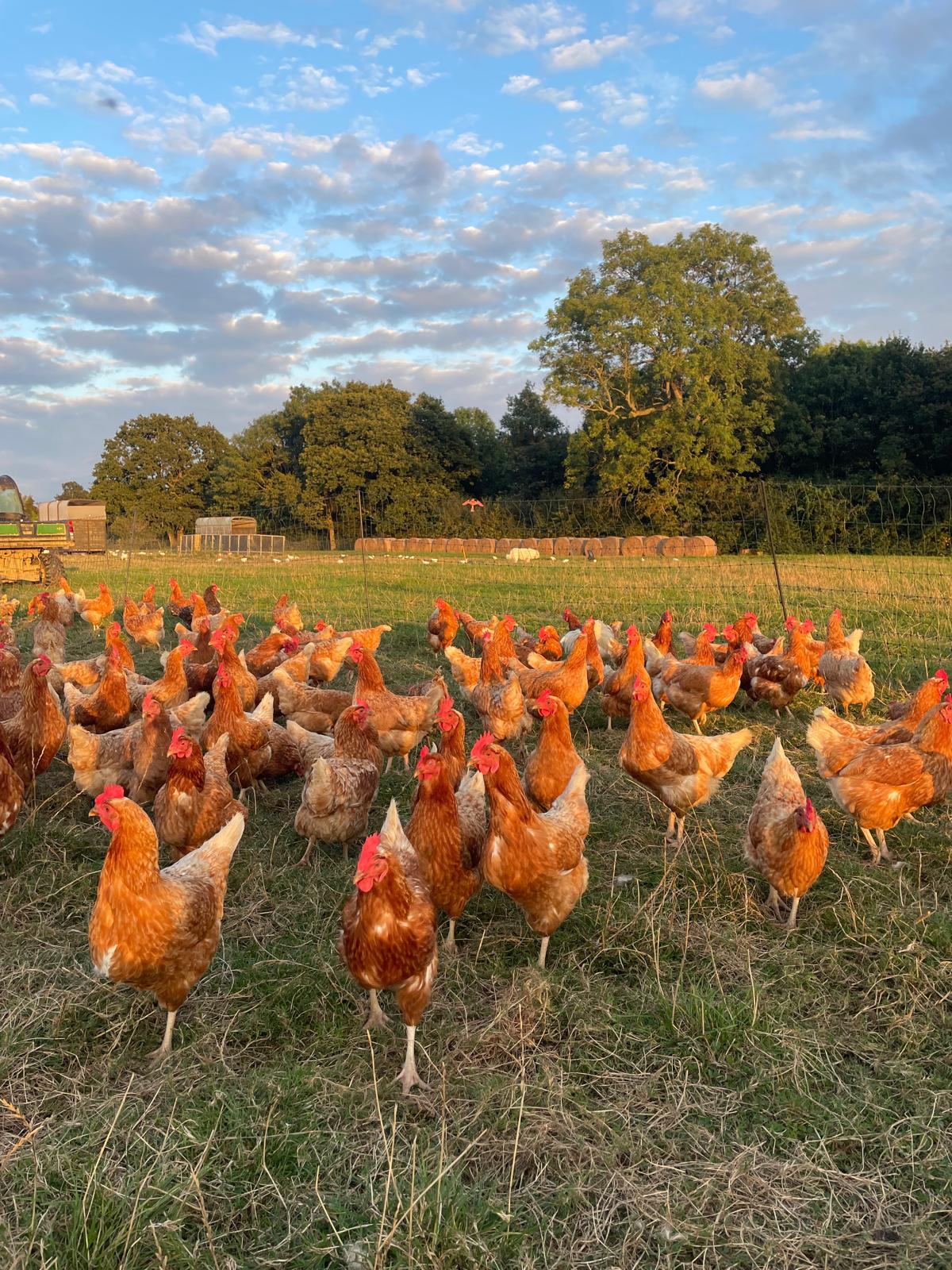
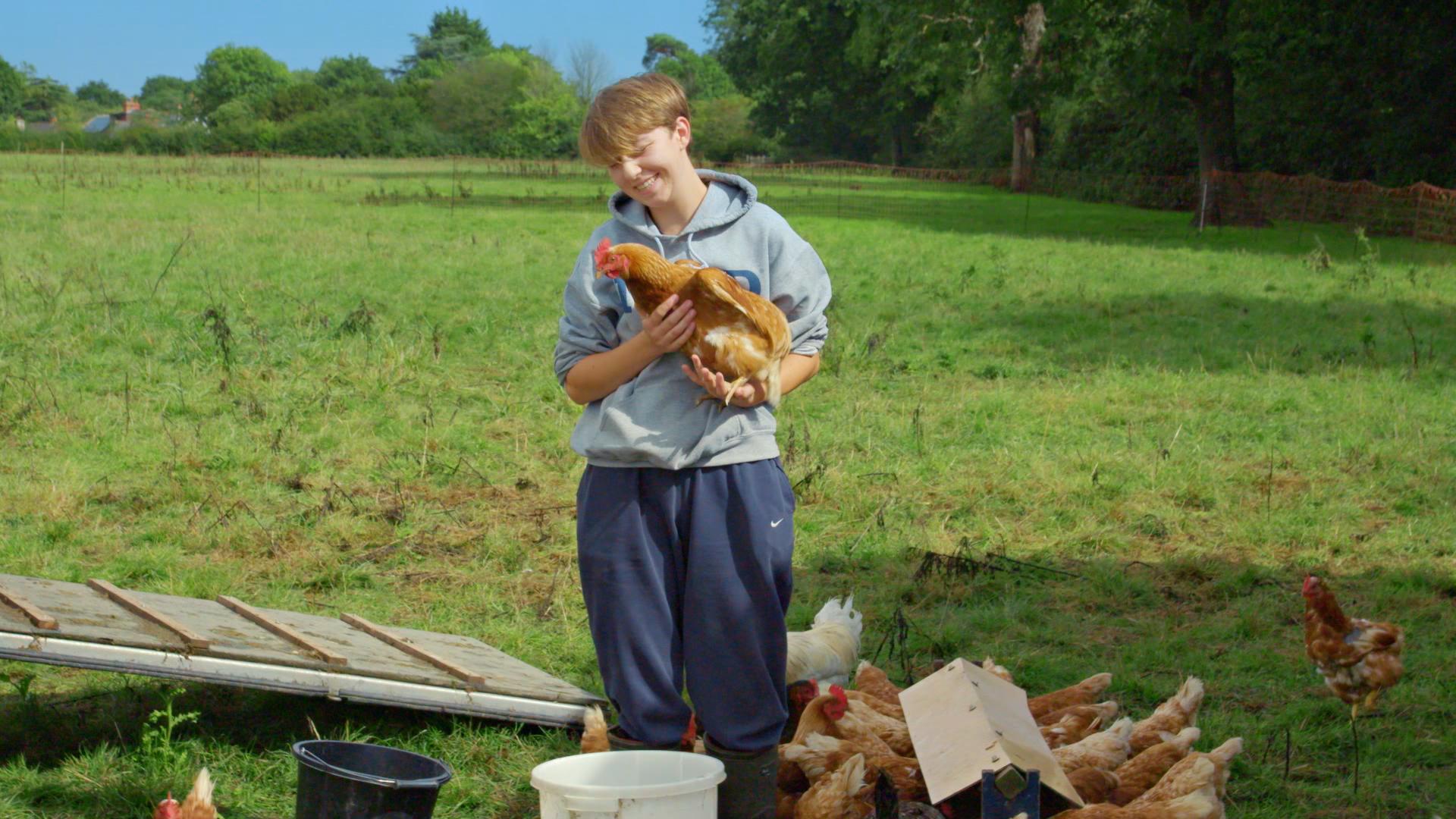
We run a flock of about 350 pasture-raised laying hens which are rotated around the farm in the warmer months, only housed in the winter when it gets too muddy. The birds live in 2 converted trailers, kitted out with perches and nest boxes. These are moved around to fresh areas of the fields regularly so the hens have plenty of space to range and forage for bugs & worms. They are supplemented with a UK-produced, soy-free diet. The eggs these girls produce are rich and creamy with an extra deep coloured yolk. Egg production varies through the seasons and we endeavour to keep supplies as even as possible but the chicken’s body clock is governed by day length. This means that in the darkest days of the winter, we get fewer eggs. Many farmers use artificial light to keep them laying but this is against our ethos as we believe these birds need that natural rest at the coldest time of the year.

Chickens at Brightleigh Farm

Our Broilers(Meat Chickens) and Turkeys

We rear broilers and turkeys seasonally. The broilers are raised in small groups of 200, spending the first 3 to 4 weeks under heat in a brooder before moving out to pasture. They can roam around the fields with access to shelters which are moved regularly to spread their fertility. They are reared to a minimum of 12 weeks.

Our turkeys arrive in June as young birds, moving out to pasture when they are strong enough. They have a mobile house, called a “Gobbledego” which is basically perches on a chassis with a roof above – naturally, they would roost in trees at night. The turkeys are raised to 24 weeks, 6 weeks longer than commercial turkeys. This extra time allows them to mature fully, and ensure the birds develop adequate fat deposits for superior flavour and tenderness.

The people

Team

Meet the team behind the farm.

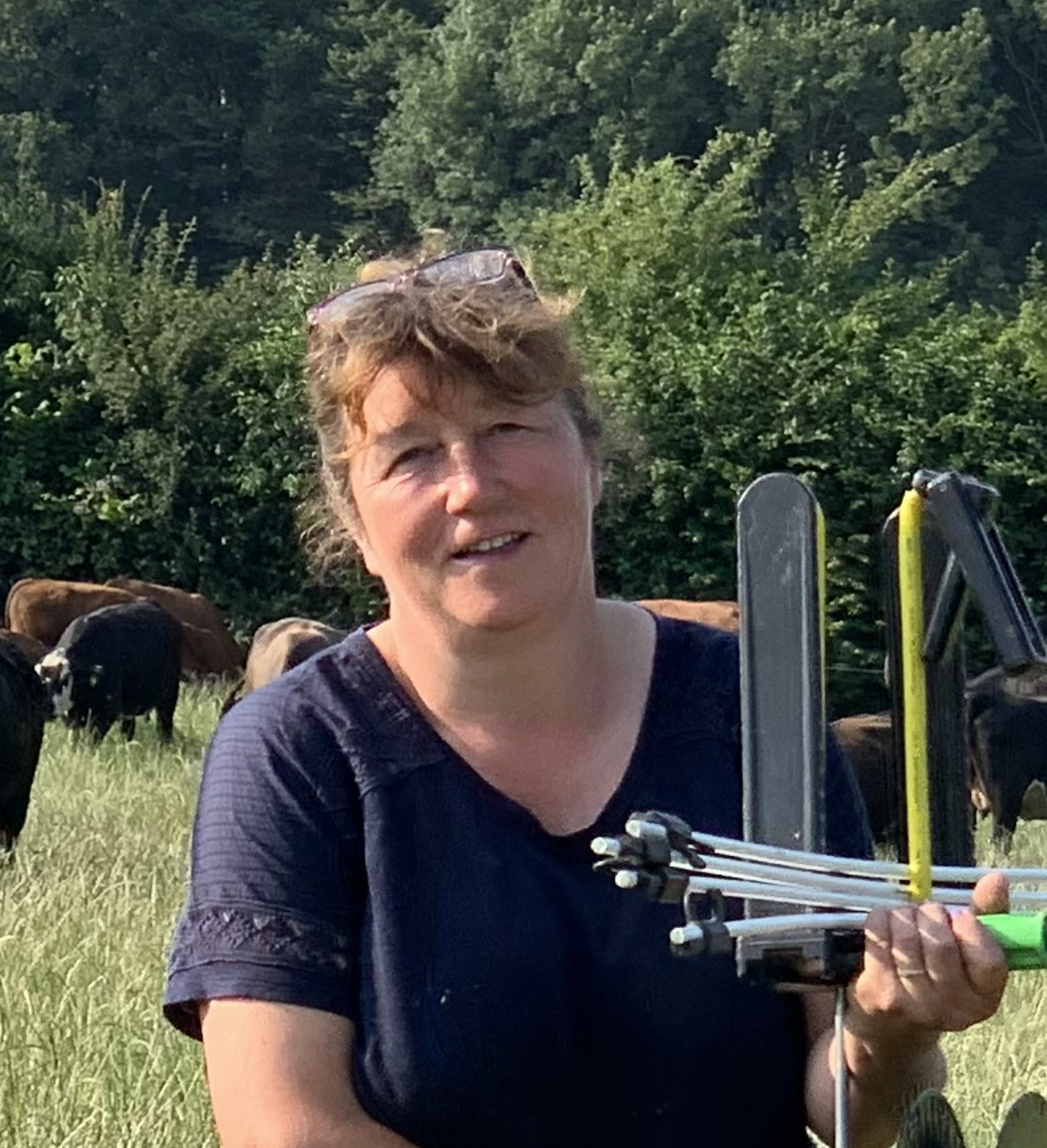
  • Penny

    Penny

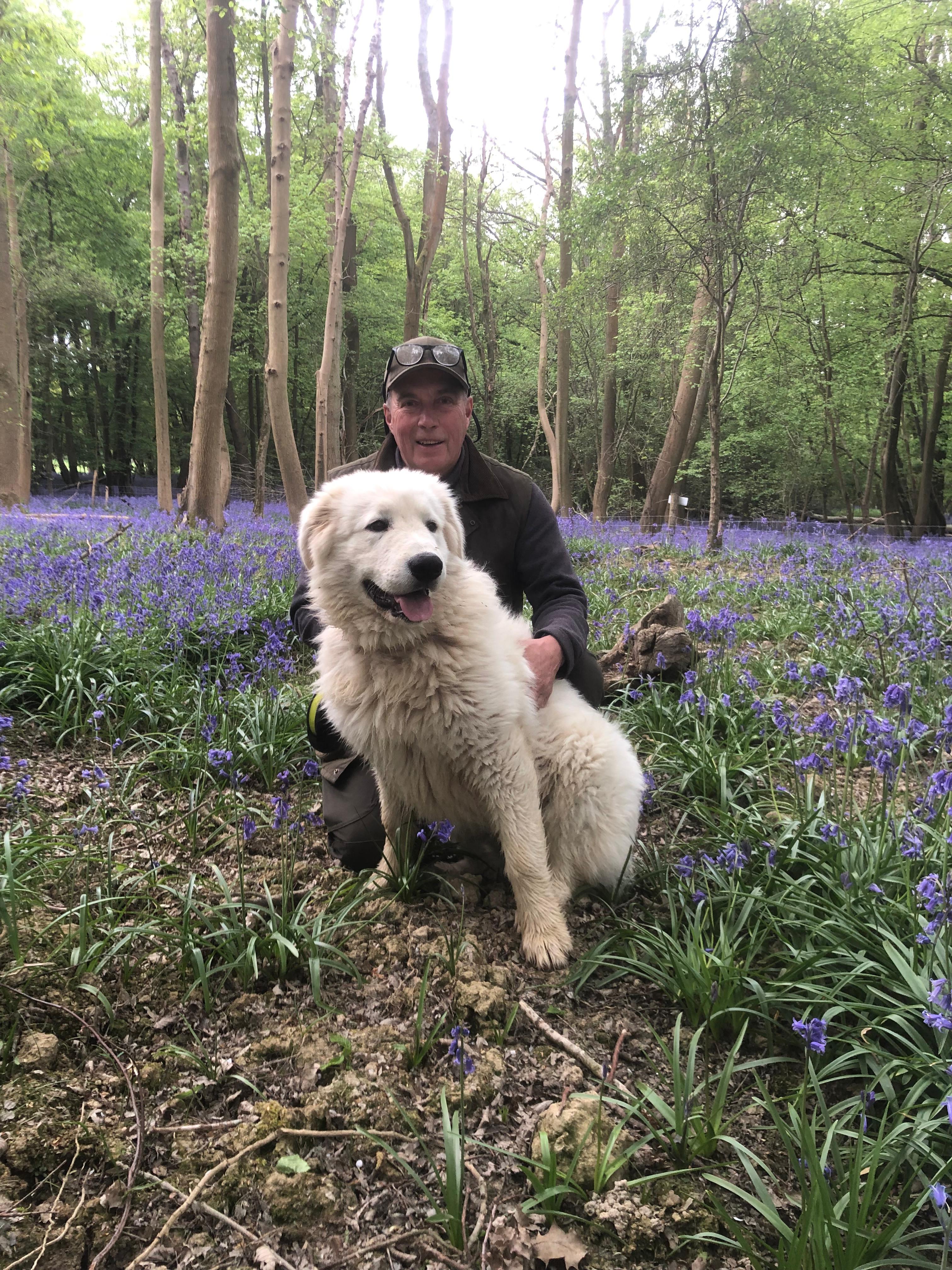
  • Nigel

    Nigel

  • Ellie

    Ellie

  • Joely

    Joely

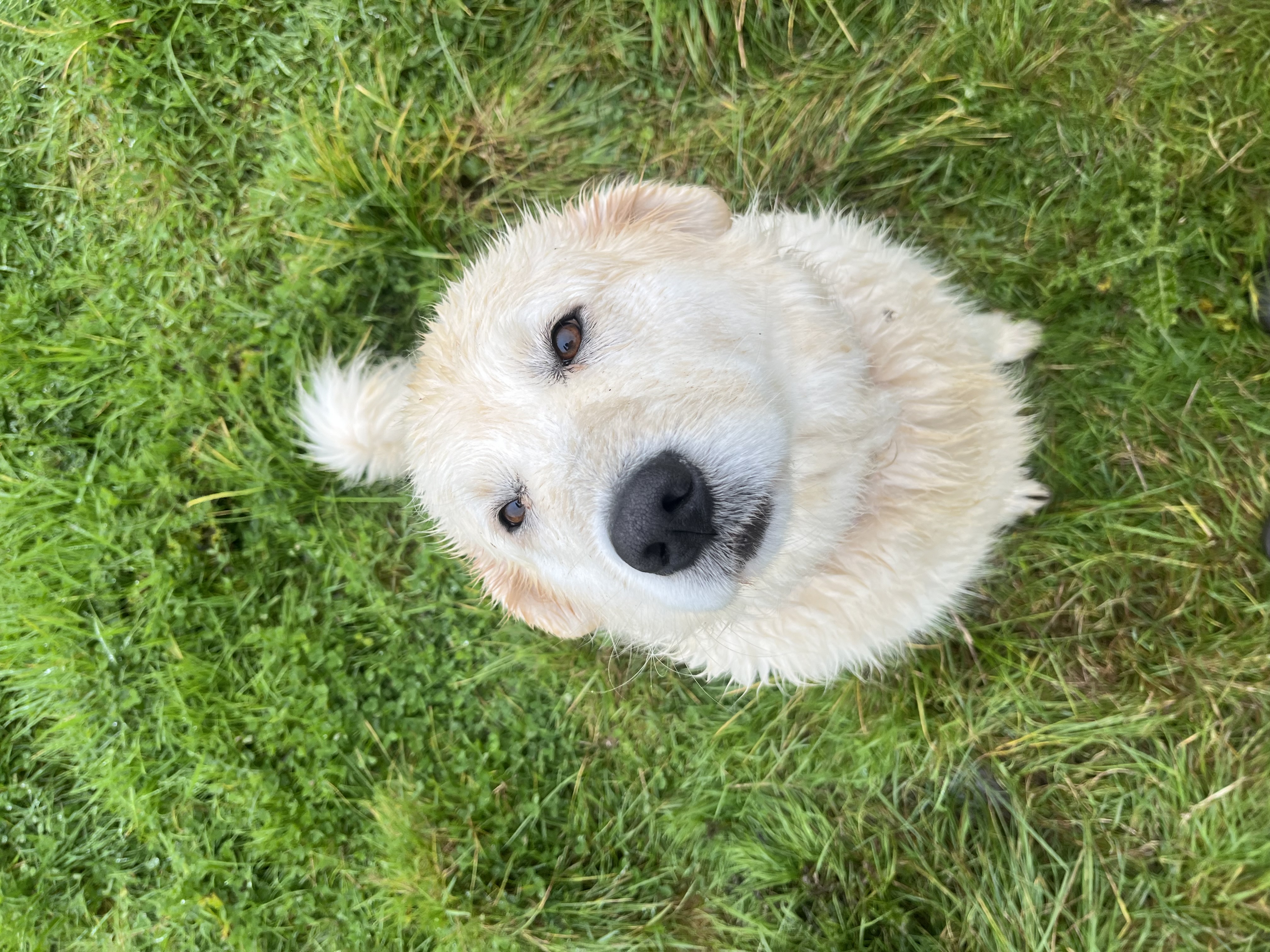
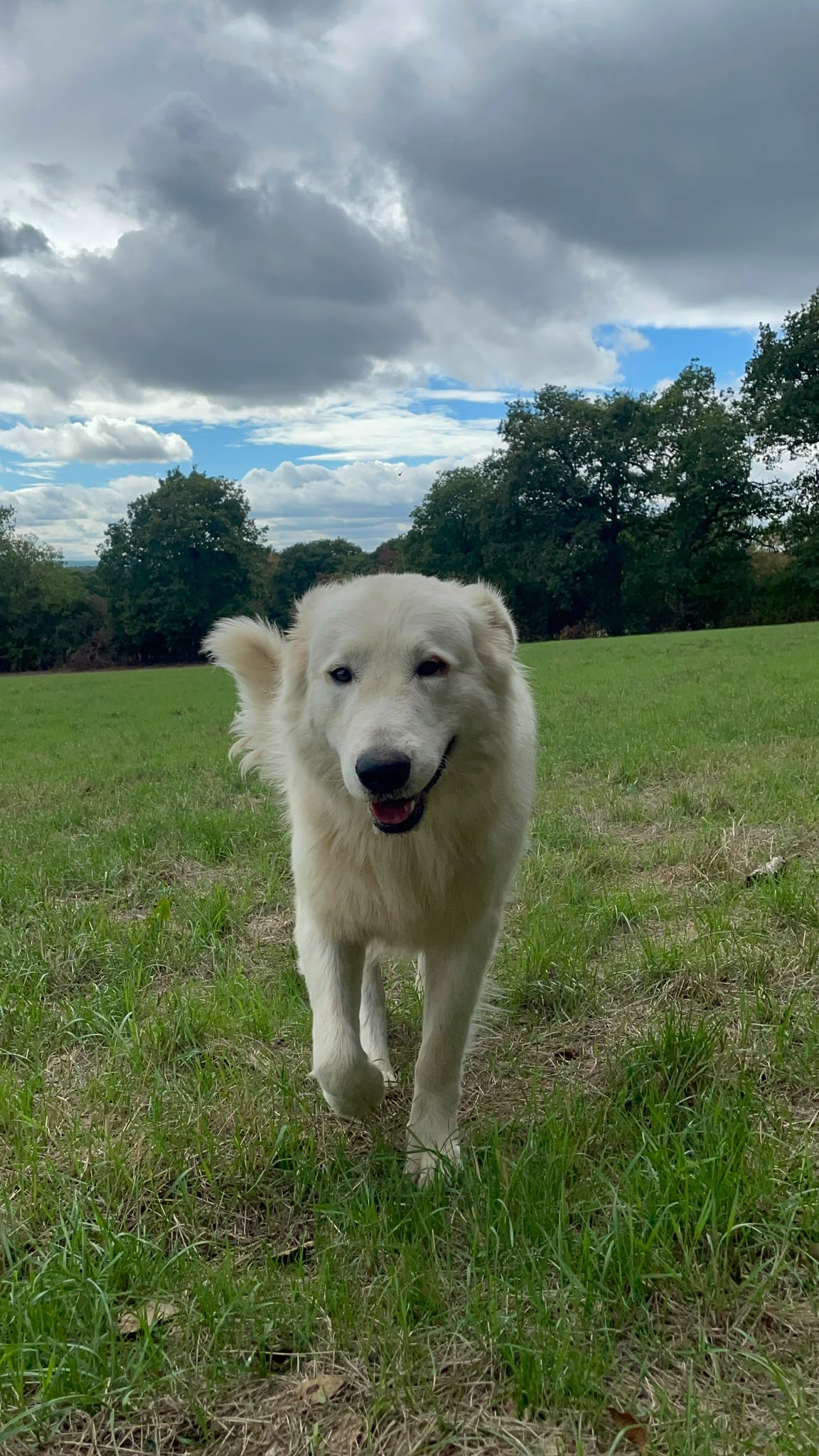
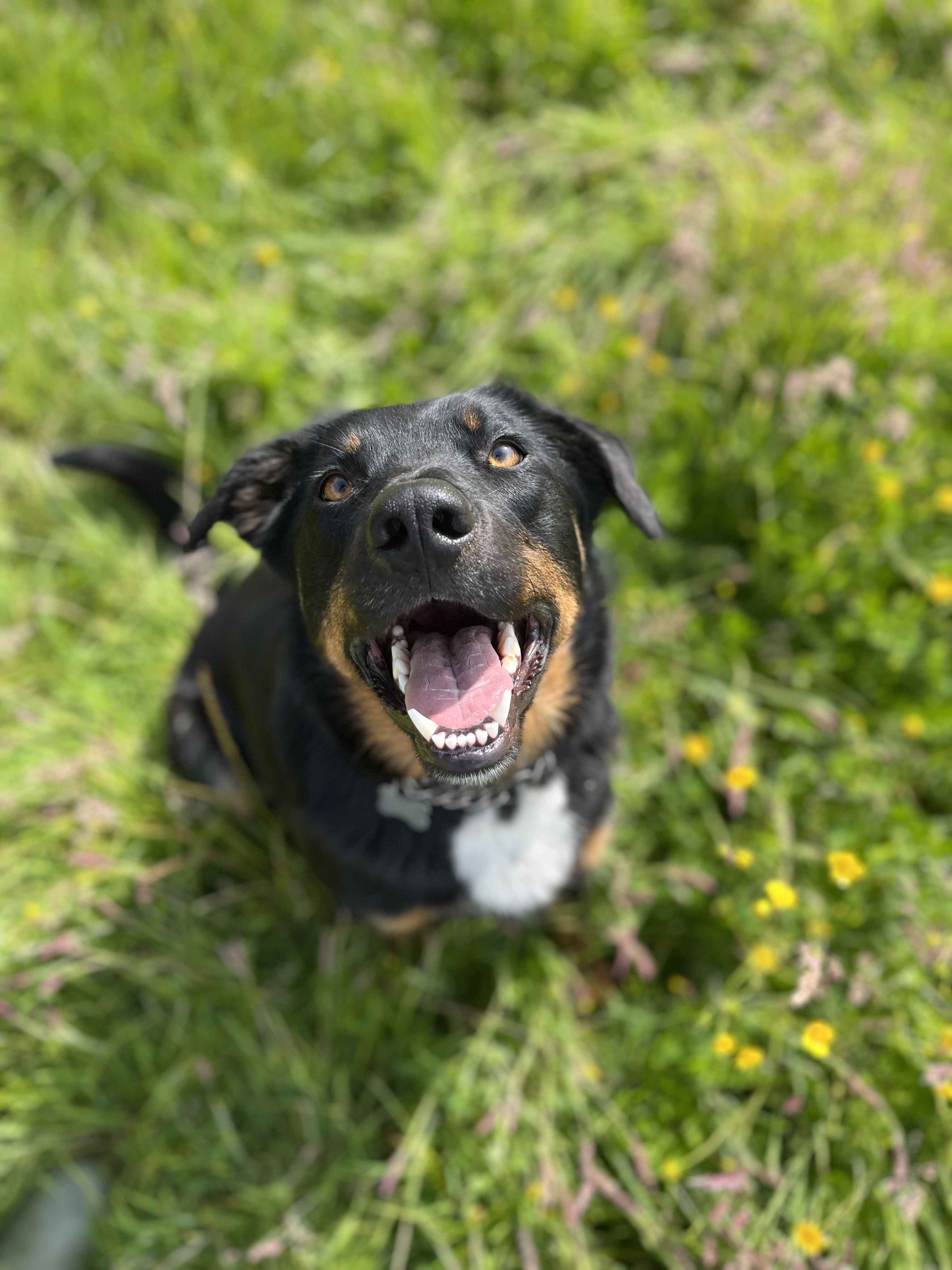
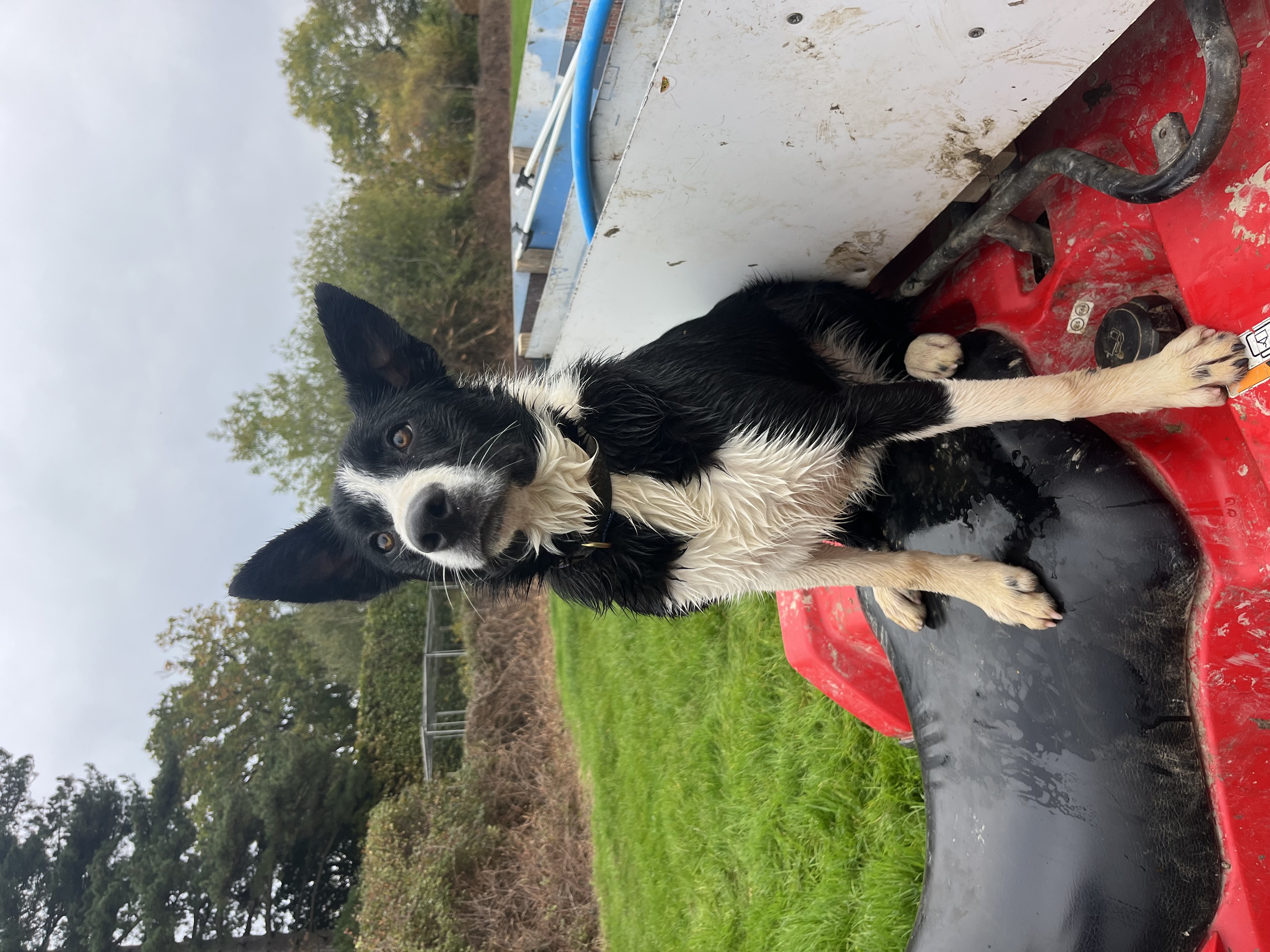
  • Mac

    Mac

  • Fusco

    Fusco

  • Bella

    Bella

  • Bruno

    Bruno

  • Jet

    Jet

  • Aesha

    Aesha

Come and see

A farm tour

A short film around Brightleigh - the yard, the fields, and how the farm works today.

Back to top